1. When to Go – Timing is Everything
Patagonia is extreme weather country, so timing your trip is crucial:
Summer (December–February): Warmest temps, long days, all trails open. Crowds are heavier, especially in Torres del Paine.
Spring (October–November) & Autumn (March–April): Cooler, fewer people, lower prices. Trails might still be open, but check conditions.
Winter (May–September): Cold, some areas closed, but glaciers and snow landscapes are stunning, and you’ll often have places to yourself.
Tip: Early booking in peak summer is essential. Late spring or early autumn? Less planning stress, more solitude.
2. Getting There and Around – Smart Moves
Flights into Patagonia aren’t cheap. Airports like Punta Arenas, El Calafate, or Bariloche are common entry points. But once you’re in Patagonia, transport options vary:
Buses: Long-distance buses are reliable and cheaper than renting a car. Some routes are overnight, saving lodging.
Car Rentals: Great for flexibility, but fuel and insurance can add up.
Hitchhiking: Surprisingly common in remote Patagonia, safe if you’re careful and polite.
Tip: Public transport + hiking = budget win. Some trails are accessible by bus or shared shuttles.
3. Accommodation – Sleep Cheap, Rest Well
Patagonia has options for every budget:
Hostels & Refugios: Dorm-style or small rooms. Refugios are often in national parks, cheaper than hotels, sometimes include meals.
Camping: Cheapest option. Many trails have official campgrounds. Bring your own tent or rent gear locally.
Airbnb or guesthouses: Outside main towns, often cheaper and more comfortable than hotels.
Tip: Book early for summer, especially in Torres del Paine and El Chaltén. Winter? More options, fewer crowds.
4. Must-See Spots – Don’t Miss These
Torres del Paine (Chile): Iconic peaks, W and O circuits. Gorgeous, but plan budget-wise – entry fees, refugio costs, and transport add up. Consider day hikes from nearby towns to save money.
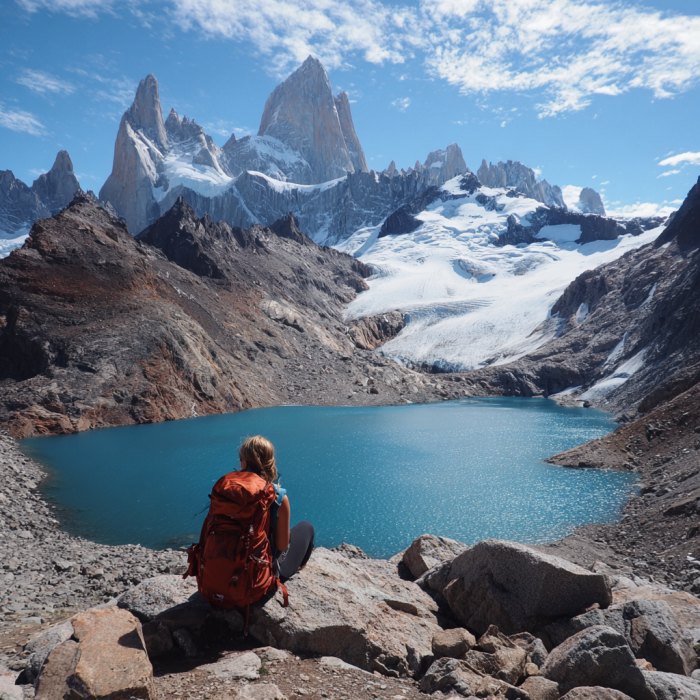
El Chaltén & Mount Fitz Roy (Argentina): Famous hikes, free trails, small town base with cheap hostels. Sunrise at Laguna de los Tres? Priceless.
Perito Moreno Glacier: Entry fee applies, but buses from El Calafate are reasonable. Watch ice calving, it’s worth every peso.
Lakes & Fjords: Lago Grey, Lago Argentino, Torres del Paine lakes—explore by foot, kayak rental optional, some day tours cheap.
Tip: Hiking is free; guided tours are optional. Your legs are the real ticket.
5. Food & Drink – Budget Eating
Patagonia isn’t cheap, but smart choices save a lot:
Self-catering: Buy groceries at local markets or supermarkets. Simple meals = huge savings.
Bakeries & cafes: Sandwiches, empanadas, coffee. Often tasty, cheap, filling.
Dining out: Avoid high-end tourist restaurants near park entrances. Head to nearby towns for authentic, cheaper meals.
Water: Carry a refillable bottle. Tap water is drinkable in most areas.
Pro tip: Cooking for yourself is not only cheap but fun—picnic with a view of mountains? Yes please.
6. Gear – What You Really Need
Backpack: Comfortable, 40–60L depending on trip length.
Layers: Patagonia weather changes fast – windproof jacket, thermal base, fleece mid-layer, waterproof pants.
Hiking boots: Broken-in, waterproof, ankle support.
Sleeping bag: Even in summer, nights can be freezing.
Trekking poles: Optional but helpful on steep trails.
Portable stove / camping gear: Optional for camping, huge budget saver if cooking own meals.
Tip: Don’t overpack. You’ll be walking miles. Gear weighs more than you think.
7. Safety & Tips – Stay Smart
Weather: Wind, rain, sun – all possible in a day. Check forecasts, start hikes early.
Wildlife: Guanacos, condors, and sometimes pumas. Admire, don’t approach.
Maps & apps: Cell coverage is patchy. Offline maps, paper maps, guidebooks essential.
Insurance: Worth every penny. Medical services in remote areas are limited and expensive.
Pro tip: Patagonia is wild. Respect it, prepare for it, and it will reward you.
8. Budget Breakdown – Rough Estimates
Accommodation: Dorm/hostel 15–25 USD/night, camping 5–10 USD/night, mid-range 40–60 USD/night.
Food: Grocery meals 5–10 USD, cafes 8–15 USD, restaurants 15–25 USD.
Transport: Buses 5–30 USD depending on distance, car rental 50–80 USD/day plus fuel.
Park entry: Torres del Paine ~35 USD, Perito Moreno ~25 USD.
Tip: Hiking + cooking + buses = the cheapest adventure without missing iconic sights.
9. Hidden Experiences – Offbeat Patagonia
Day hikes from towns: Cheaper than full circuit hikes. Amazing scenery, fewer people.
Local gatherings: Small towns often have festivals or local markets. Great for free cultural immersion.
Sunrise & sunset spots: Some of the best views are public and free. Laguna Capri, Grey Glacier viewpoint.
Volunteer / hostel stays: Some hostels offer discounted lodging in exchange for small chores.
10. Common Mistakes to Avoid
Overpacking / carrying too heavy a bag – your back will hate you.
Assuming all trails are easy – read difficulty levels.
Skipping early planning in summer – hostels fill fast.
Eating only in tourist areas – overpriced and not always tasty.
Ignoring weather prep – Patagonia can change fast.
11. Final Thoughts – Equip Yourself
Backpacking Patagonia is challenging, yes, but it’s worth it. With preparation, a little flexibility, and the right gear, you can see glaciers, peaks, and lakes without emptying your wallet. Patagonia rewards those who slow down, hike more, spend wisely, and embrace the wildness.
Plan, but leave room for spontaneity. Some of the best moments happen off the beaten path.
Talk to locals and other backpackers. Tips from people who’ve been there are gold.
Respect the environment. Trails, wildlife, and small towns need care.
Conclusion
Patagonia is more than Instagram shots of mountains—it’s an experience of wind, solitude, and raw nature. Equipped with the right gear, a flexible plan, and a backpack full of essentials, you can enjoy this magical place without breaking the bank. Your adventure doesn’t need luxury, just a willingness to explore, hike, and live a little messy, wild, and free.
So pack your backpack, lace your boots, and get ready for Patagonia—the kind of trip you’ll remember forever.