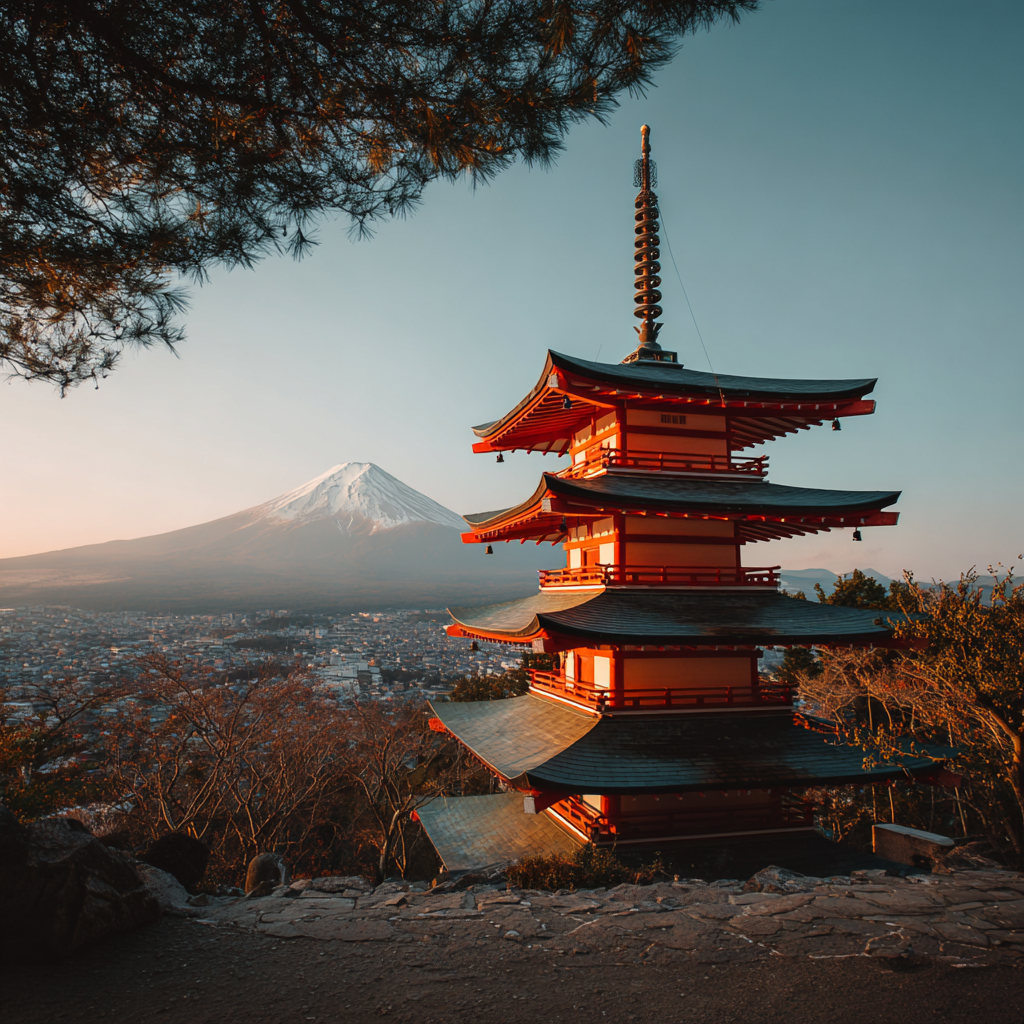
1. Timing Matters – When to Go
Japan changes with the seasons like no other country. Cherry blossoms in spring? Obvious. Autumn leaves? Stunning. But each season has its quirks.
Spring (March–May): Crowds, especially during sakura, can be insane. Hotels book fast. But the pink blossoms make everything magical. Pro tip: head to smaller cities like Kanazawa or Takayama for sakura without the crush.
Summer (June–August): Humid, sticky, and sometimes rainy. But summer festivals—matsuri—are incredible. Fireworks over rivers, people in yukata, street stalls everywhere. Just remember the heat. Drink water. A lot.
Autumn (September–November): Leaf season. Colors everywhere, cooler weather, fewer tourists in smaller towns. Perfect for hiking or old towns.
Winter (December–February): Snowy landscapes, hot springs, and skiing. It’s quiet, beautiful, and often cheaper for lodging outside big cities.
Timing your trip isn’t just about avoiding crowds, it’s about experiencing Japan in a way that matches your vibe.
2. How to Get Around – Beyond the Bullet Train Hype
Everyone talks about the Shinkansen (bullet train) like it’s a religion—and it kinda is. But don’t get fooled into thinking it’s the only way.
Regional trains: Slower, yes, but often cheaper and more scenic. The Noto Peninsula, for example, is beautiful if you take local lines and maybe a bus.
Buses: Long-distance buses can be surprisingly comfy and cheap. Overnight buses save you a night on lodging and get you to smaller towns.
Renting a car: If you’re going rural, mountains, or coastal towns, a car is often the best option. Japan drives on the left, parking signs are everywhere, but navigation apps help.
Pro tip: JR Pass is great if you’re hopping cities, but it’s expensive. Sometimes just buying individual tickets or regional passes saves money. Plan ahead.
3. Hidden Gems – Offbeat Cities and Towns
Tokyo is flashy, Kyoto is postcard-perfect, but here’s where it gets interesting:
Kanazawa: A compact city with samurai history, a beautiful garden (Kenrokuen), and less crowded than Kyoto. Think: old-school Japan, but not a tourist magnet.
Takayama: Nestled in the Japanese Alps. Morning markets, traditional inns (ryokan), and the kind of small-town vibes that feel like stepping back in time.
Naoshima: Island art heaven. Sculptures, museums, architecture that’s as much an experience as the art itself. Rent a bike, explore, get lost.
Kamakura & Enoshima: Just outside Tokyo. Giant Buddha, coastal walks, temples, shrines, and less frenzy than the capital.
Tip: Smaller towns often have homestays or ryokan that offer a real local experience. You get to sleep in tatami rooms, try traditional meals, soak in onsen, and maybe catch local festivals.
4. Food – Eat Like a Local
Tokyo has Michelin stars galore, but sometimes the best meals are tiny, sweaty, hole-in-the-wall places. And outside Tokyo, food is even better because it’s fresh, local, and not aimed at tourists.
Street food: Takoyaki, okonomiyaki, yakiimo (roasted sweet potato). Cheap, delicious, perfect for wandering.
Regional specialties: Hida beef in Takayama, Kanazawa curry, Hiroshima okonomiyaki. Each city has something unique—try it.
Markets: Nishiki Market in Kyoto is touristy, but smaller town markets? Amazing. Local snacks, friendly vendors, cheap eats.
Pro tip: Don’t stress if you can’t read menus. Many places have pictures, or you can point. Japanese people are generally super helpful even if your Japanese is… non-existent.
5. Culture & Etiquette – Small Things Matter
Japan is polite. Really polite. But it’s the small things that make a huge difference:
Bowing: Not everyone expects a full bow, but a small nod goes a long way.
Shoes: Take them off when entering homes, temples, and some traditional inns. Socks or foot hygiene is noticed.
Trains: Quiet, orderly, no loud phone calls. Yes, even at 10 PM.
Cash: Credit cards are accepted in cities, but rural areas are cash-only. ATMs in 7-Eleven or Post Offices work best.
Nothing is too scary, just be aware. A little respect goes a long way, and locals notice.
6. Budget – How Much Will It Actually Cost?
People freak out about Japan being “expensive.” Truth: it can be, but there are ways to travel smart.
Accommodation: Capsule hotels, business hotels, hostels, or guesthouses. Outside Tokyo and Kyoto, ryokan are surprisingly reasonable.
Food: Convenience stores have amazing cheap meals. Street stalls are cheap. Sit-down restaurants vary.
Transport: JR Pass is great, but plan carefully. Regional passes or bus passes can save hundreds.
Rule of thumb: Don’t assume guidebook prices. Check local menus, ask people, explore smaller towns. Often cheaper than you think.
7. Must-Have Gear – Equip Yourself
Good shoes: You’ll walk. A lot.
Portable charger: Your phone will be your map, translator, and camera.
Pocket Wi-Fi or SIM: Staying connected helps with directions and translation.
Reusable water bottle: Tap water is safe, refill often.
Small backpack/daypack: For hikes, day trips, or museum hopping.
Remember, Japan is neat, clean, and organized. Pack light but smart.
8. Hidden Experiences – Make Your Trip Unique
Temple stays: Some monasteries let visitors experience morning rituals, vegetarian meals, meditation.
Festivals: Even small towns have matsuri. Fireworks, floats, dancing, food stalls. Find them.
Nature: Hike Mount Koya, Kamikochi Valley, or the Nakasendo trail. Quiet, amazing, unforgettable.
Onsen: Hot springs are everywhere. Pick a smaller town onsen for a less touristy experience.
Tip: Slow down. Stop rushing from “must-see” to “must-see.” Some of the best Japan moments are quiet and unscripted.
9. Common Mistakes to Avoid
Overplanning Tokyo: It’s easy to spend days just hopping districts and missing rural gems.
Assuming everyone speaks English: They mostly don’t. Translation apps are lifesavers.
Expecting cheap taxis: They exist, but public transport is better, faster, cheaper.
Ignoring seasonal variations: Summer heat, winter snow, rainy season. Check ahead.
10. Final Tips – Travel Smarter, Not Harder
Japan isn’t just a checklist—it’s an experience. Equip yourself with knowledge, not just a map. Small towns, local food, seasonal surprises, polite chaos, quiet temples, neon nights—they all make up the Japan you actually remember.
Plan, but leave gaps: Some of the best memories happen when you wander.
Talk to locals: Even broken Japanese or gestures go a long way.
Stay flexible: Weather, trains, festivals—things change. Adapt, don’t panic.
Conclusion
Tokyo is fun. Kyoto is beautiful. But Japan… Japan beyond Tokyo is where the magic really happens. Equipped with the right tools, a little research, and a curious mind, your trip can be unforgettable without being exhausting or overpriced.
So pack light, bring your sense of adventure, and get ready to explore the hidden corners, small towns, local flavors, and quiet beauty that most travelers never see. Equip yourself, step off the beaten path, and make Japan your own.