1. When to Go – Timing is Everything
Lisbon is sunny… most of the year. But timing your visit makes all the difference:
Spring (March–May): Blooming jacarandas, mild temperatures, manageable crowds. Perfect for wandering neighborhoods.
Summer (June–August): Hot, touristy, expensive. But beaches nearby, late sunsets, and festival season make it exciting.
Autumn (September–October): Golden light, cooler evenings, fewer crowds. Great for city walks and food hunting.
Winter (November–February): Quiet, lower prices, fewer tourists, occasional rain. The city feels intimate and local.
Pro tip: Avoid public holidays or school vacation weeks unless you’re okay with crowds.
2. Getting Around – Trams, Walks, and Hidden Corners
Lisbon is hilly. Like, really hilly. And yes, the yellow trams are charming—but don’t just hop on tram 28 blindly. Tourists cram it like sardines.
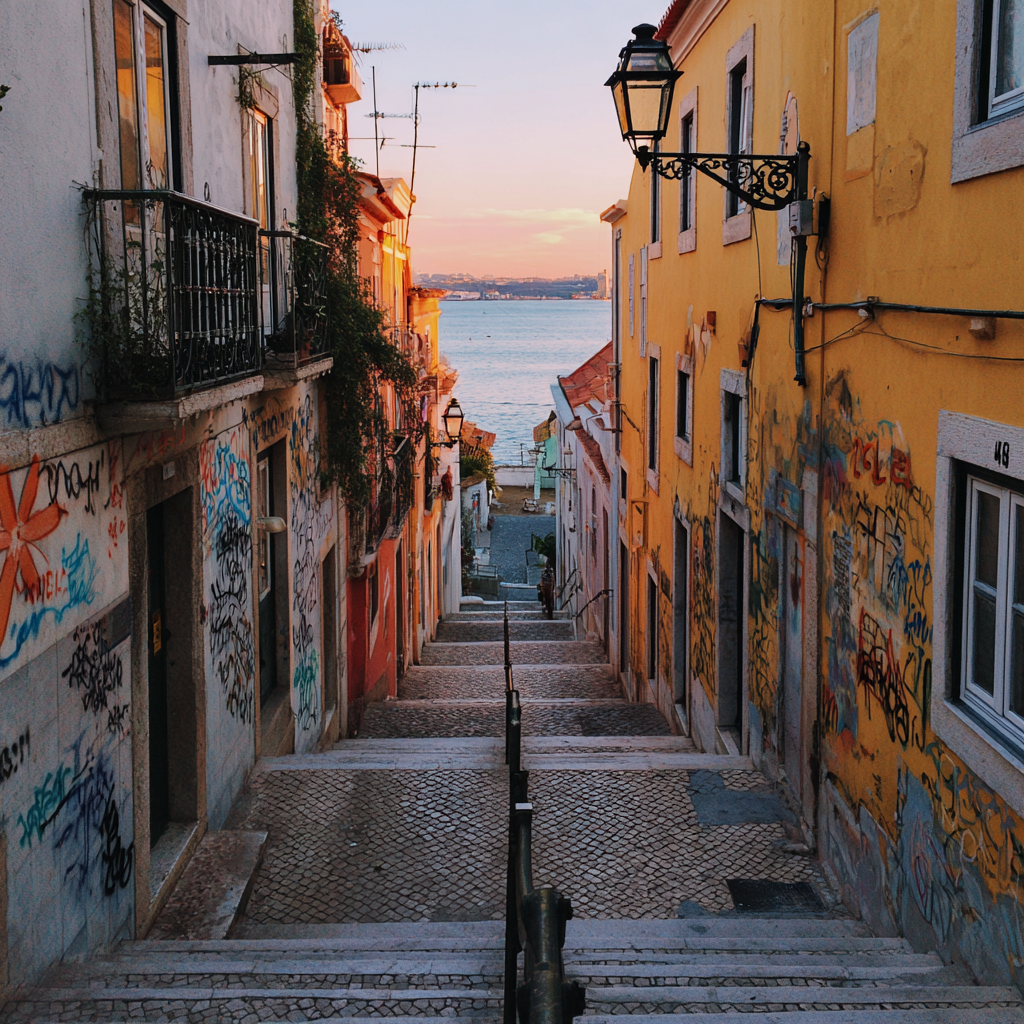
Walking: Some of the best streets are steep alleys with tiles, cafes, and tiny shops. Comfortable shoes = mandatory.
Trams: For longer hills or a retro experience, hop on—but try less popular lines to avoid crush.
Metro & buses: Fast, clean, cheap. Useful for suburbs or longer trips.
Tuk-tuks: Fun, short rides, but negotiate the price first.
Tip: Lisbon’s cobblestones are gorgeous but slippery when wet. Watch your step.
3. Neighborhoods to Explore – Skip the Obvious
Most visitors go to Alfama, Baixa, and Bairro Alto. Fine, but there’s more:
Alfama: Oldest neighborhood, narrow streets, Fado music. Avoid the main tourist traps, wander side alleys, discover small squares with locals sipping coffee.
Graça: Incredible viewpoints, street art, tiny cafes. Less crowded, real Lisbon vibes.
LX Factory: Trendy industrial area turned into shops, art studios, and food spots. Great for brunch, browsing, and photos.
Belém: Famous for pastéis de nata, but explore Jerónimos Monastery and riverside paths early to avoid lines.
Pro tip: Start your day early. Morning light + quiet streets = Instagram without feeling like a tourist.
4. Eat Like a Local – Beyond Pastéis de Nata
Lisbon is a food paradise, if you know where to look.
Breakfast: Coffee and a pastel de nata at a small bakery, not the tourist-heavy chains.
Lunch: Look for “Prato do dia” (daily dish) in small restaurants. Often fresh fish, meat, soup. Cheap and authentic.
Snacks: Bifana (pork sandwich), prego (steak sandwich), grilled sardines when in season. Street stalls and tiny taverns are best.
Dinner: Try tascas—small, local eateries. Ask locals or just wander alleys.
Pro tip: Tap water is safe. Carry a reusable bottle. Save money, help the environment.
5. Hidden Experiences – Not in Every Guidebook
Lisbon is full of little surprises:
Miradouros (viewpoints): Everyone knows Miradouro da Senhora do Monte or Santa Catarina. Find smaller ones tucked in residential streets. Perfect for sunset, no crowds.
Tile spotting: Azulejos everywhere, not just in museums. Look at residential facades—they tell stories of neighborhoods.
Fado nights: Skip touristy shows. Tiny local bars, early evening, authentic vibe.
Local markets: Mercado de Campo de Ourique or Mercado da Ribeira in off-peak hours. Try fresh fruit, cheeses, and local pastries.
6. Beaches – Quick Escape From the City
Lisbon isn’t just hills and streets. The coastline is stunning and surprisingly close:
Cascais: Charming town, good surfing, seafood restaurants. Train = 40 mins.
Costa da Caparica: Long sandy beach, popular with locals. Surf shops and casual vibe.
Sintra coast (Praia da Adraga, Praia Grande): Dramatic cliffs, wild beauty, perfect for a day trip.
Pro tip: Avoid July–August weekends if you want space. Early mornings are magical.
7. Budget – What to Expect
Lisbon is cheaper than other Western European capitals, but tourism inflates prices in certain areas.
Transport: 24-hour metro/tram/bus card (~6.40 EUR) is worth it if you plan multiple rides.
Food: Breakfast = 2–5 EUR, lunch ~8–12 EUR, dinner varies. Local spots beat tourist traps.
Accommodation: Guesthouses and boutique hostels in central neighborhoods are cheaper and more charming than hotels in Baixa.
Pro tip: Don’t assume tourist menus reflect real prices. Look for daily specials and local favorites.
8. Gear – What to Pack
Comfy shoes: Cobblestones + hills = sore feet without them.
Reusable water bottle: Tap water safe, stay hydrated walking all day.
Portable charger: Phones = maps, translation, photo cameras.
Light jacket: Even summer evenings can be breezy, especially near the river.
Small backpack/daypack: For walking, snacks, camera gear, umbrella.
9. Local Culture & Etiquette
Greetings: A simple “Olá” and “Obrigado/a” goes a long way.
Restaurants: Wait to be seated, tipping is appreciated but not required.
Trains and trams: Stand right, let people off first. Keep noise low.
Festivals: If you stumble upon a local celebration, join respectfully, watch, enjoy—locals are usually friendly.
10. Common Mistakes Visitors Make
Taking tram 28 like everyone else—crush + lines.
Ignoring smaller neighborhoods—Alfama is amazing, but Graça is magic.
Overplanning sightseeing—Lisbon rewards slow wandering.
Eating only in tourist areas—taste buds miss out.
Forgetting hills exist—pack comfy shoes, seriously.
11. Final Tips – Equip Yourself
Lisbon isn’t just a city to tick off a list. It’s streets to wander, food to taste, views to savor, and neighborhoods to explore without maps sometimes.
Plan loosely, wander freely. Some of the best experiences happen when you just get lost in a street full of tiles, cats, and local chatter.
Talk to locals. Even a few words in Portuguese go a long way.
Stay curious. Hidden cafes, tiny shops, little viewpoints—these make memories, not the usual tourist spots.
Conclusion
Lisbon is colorful, chaotic, charming, and sometimes confusing. But beyond the main squares and tram 28, there’s a city full of secrets, quiet moments, local bites, and views that take your breath away. Equipped with the right shoes, a little planning, and curiosity, you can skip the tourist traps, save money, and experience Lisbon like a local.
So pack your daybag, charge your phone, put on comfy shoes, and get ready to wander past the obvious. Equip yourself, explore freely, and let Lisbon surprise you.